





A frozen highway to an ancient kingdom
02.03.2016 16:30


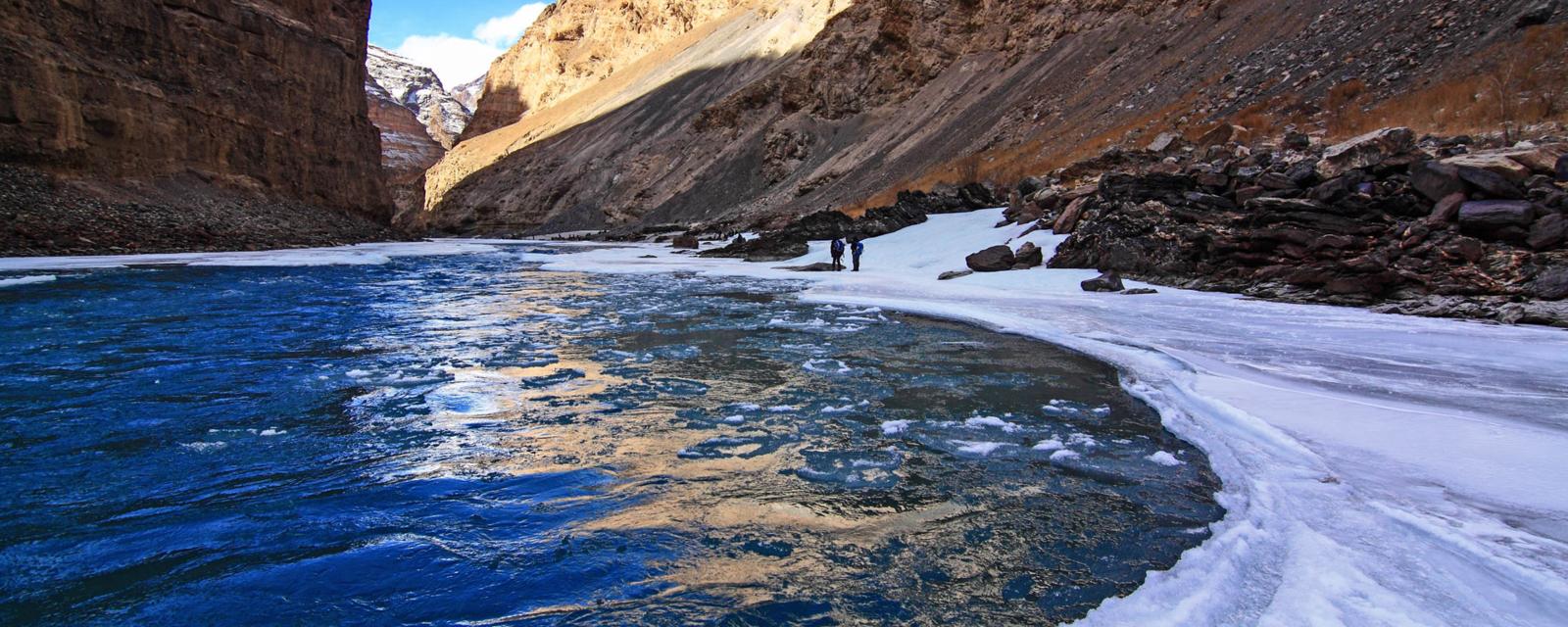
In the summer, the Zanskar River runs wild between the deep canyons of the Himalayas. In the winter, it becomes a road of ice – and the only escape.
Isolated for centuries
Cloistered within dramatic mountains of the Great Himalayan range – averaging an altitude of 3,600m and sprinkled with peaks as high as 7,000m – India’s Zanskar valley has stayed isolated for centuries. The Ladakh region, of which Zanskar is part of, even has the following saying: "The land is so barren and the passes so high that only our fiercest enemies or our best friends would want to visit us.”
In the spotlight
Cut off from the rest of the world due to geographical constraints and a distinct lack of outside influences, Zanskar has remained as one of the last bastions of ancient Tibetan Buddhist culture. But the valley came into the spotlight a few years ago when the BBC’s Human Planet aired poignant footage of a few small children trekking 100km to get back to school after winter vacation.
Changing times
In earlier days, Zanskar’s small, self-sustaining communities lived off the land by farming and rearing cattle. But with changing times, education is slowly becoming a priority, and children are being sent off to the larger towns of Kargil or Leh to attend schools and colleges.
In the summer, locals send their kids to school, travel for trade or set out to find work using a single road, established in 1979 to connect the remote valley to Kargil. Before the road was built, however, arduous treks across high passes were the only way out of the valley in the summer.
An alternate ice route
In the winter, the 230km-long road that passes through a 5,000m-high pass called Penzi La is blocked due to the heavy snowfall, making it unusable for vehicles. But Zanskaris have long had another way out of the valley when the cold weather arrives.
Zanskar River, which runs wild through the deep Himalayan canyons in summer, drops as low as -40C in the winter, freezing its upper layers. The result is an unusual ice passage – called the Chadar hike – which connects Zanskar to rest of the region.
The tricky nature of ice
From crystal hard ice expanses to precariously hanging ledges, the Chadar hike encompasses treading upon a wide range of frozen landscapes. The fast flowing water beneath the ice sheets – and the ever-changing weather – inflicts tremendous pressure on the frozen surface. This causes constant disruptions to the ice layers that break, topple and settle every few days.
The art of walking on ice
At approximately 100km-long, the Chadar (meaning blanket) hike becomes the only means to get out of the remote valley for those living in hundreds of road-less villages on the fringes of the river. This journey, possible only during the months of January and February, is fraught with challenges owing to the capricious nature of the freezing and thawing river surface. But the people of Zanskar have mastered the art of reading the ice and forging a way through the seemingly impassable landscape. (Credit: Video by Manish Lakhani)
The skill of traversing the ice
It takes an outsider anywhere between seven to 10 days to finish one way of the hike. It takes the local Zanskari men, women and children as little as two to four days. Hauling their luggage in wooden sleds, they glide over the river surface with an enviable agility, while visiting hikers slip, tumble and, on rare occasions, take a dip in the freezing waters.
Praying for safe passage
In a land this harsh, unwavering faith in a higher power becomes a strong defence. Devoutly religious, the Zanskari people believe in appeasing the gods for safe passage on the treacherous terrain. Fluttering prayer flags, juniper incense and khata – traditional ceremonial scarf offerings – abound on the trail. Shelter from the cold
The walls of the rocky river canyon house several small caves that provide temporary respite and a warm shelter along the hike. Locals have been using these caves for centuries as night halts; they say the small spaces warm up nicely and retain heat.
Threats to the wild region
A long time ago, when the frozen river hike was done solely out of necessity, it was likely desolate. The only expected encounters may have been wild denizens such as blue sheep or the occasional snow leopard. Today, it’s hard to find even a kilometre stretch without any people on it. Rampant commercialization brandishing this as the "wildest trek in the world” has unleashed the wrath of mass tourism, threatening the region’s sensitive ecosystem and economy.
(BBC)


www.ann.az


Youtube
Follow us on Youtube


Similar news
Similar news










 Photo




 Video


